Hey there! I’m a supplier of vacuum furnaces, and I often get asked about the installation requirements for these bad boys. So, I thought I’d put together this blog post to give you the lowdown on what you need to know before installing a vacuum furnace. Vacuum Furnace
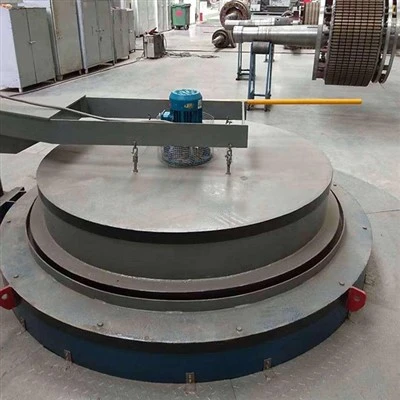
Location, Location, Location
First things first, you need to pick the right spot for your vacuum furnace. It’s super important to find a location that’s well-ventilated. Vacuum furnaces generate heat and sometimes release gases during operation, so proper ventilation helps keep the air fresh and safe. You don’t want to be breathing in any funky stuff, right?
The area should also be level. A wobbly furnace can cause all sorts of problems, like uneven heating and even damage to the equipment. Make sure the floor can handle the weight of the furnace too. Vacuum furnaces can be pretty heavy, so you don’t want the floor to give way under it.
It’s a good idea to keep the furnace away from flammable materials. Since it gets hot, there’s a risk of starting a fire if it’s too close to things like wood, paper, or chemicals. Also, try to put it in a place where it won’t be bumped into by people or equipment. You don’t want any accidental knocks that could mess up the furnace.
Electrical Requirements
Next up, let’s talk about electricity. Vacuum furnaces need a reliable power supply. You’ll need to check the voltage and amperage requirements of the specific furnace you’re getting. Different models have different needs, so make sure your electrical system can handle it.
It’s a good idea to have a dedicated electrical circuit for the furnace. This means it won’t share power with other big appliances or equipment. Sharing a circuit can cause power fluctuations, which can be bad for the furnace and might even lead to it not working properly.
You’ll also need to have the right kind of electrical connections. Some furnaces might require special plugs or wiring. It’s best to have a qualified electrician handle the installation of the electrical connections. They know what they’re doing and can make sure everything is safe and up to code.
Water Cooling
Many vacuum furnaces use water cooling to keep the equipment from overheating. So, you need to have a good water supply. The water should be clean and free of debris. If there’s dirt or particles in the water, it can clog up the cooling system and cause problems.
You’ll need to have a proper water circulation system. This usually includes pipes, pumps, and a water reservoir. The system should be able to provide a steady flow of water to the furnace. You also need to make sure the water temperature is within the recommended range. If the water is too hot, it won’t cool the furnace effectively.
It’s important to have a way to monitor the water flow and temperature. Some furnaces come with built-in sensors, but you might also want to have additional monitoring devices. This way, you can catch any issues with the water cooling system early and fix them before they cause damage to the furnace.
Vacuum System
The vacuum system is a crucial part of a vacuum furnace. You need to have a good vacuum pump to create and maintain the vacuum inside the furnace. The pump should be able to reach the required vacuum level for your specific application.
There are different types of vacuum pumps, and you’ll need to choose the right one for your furnace. Some pumps are better for high vacuum applications, while others are more suitable for lower vacuum levels. You’ll also need to make sure the pump is properly connected to the furnace and that there are no leaks in the vacuum system.
It’s a good idea to have a vacuum gauge to monitor the vacuum level inside the furnace. This way, you can make sure the pump is working properly and that the vacuum is at the right level for your process. You might also want to have a backup vacuum pump in case the main one fails.
Safety Equipment
Safety is always a top priority when it comes to installing a vacuum furnace. You need to have the right safety equipment in place. This includes things like fire extinguishers, safety signs, and emergency stop buttons.
The fire extinguisher should be the right type for the potential fires that could occur in a vacuum furnace. For example, if the furnace uses flammable gases, you’ll need a fire extinguisher that’s designed to handle those types of fires.
Safety signs should be posted around the furnace to warn people of the potential hazards. This could include signs that say "Hot Surface" or "High Voltage." The emergency stop button should be easily accessible so that you can quickly shut down the furnace in case of an emergency.
Installation and Commissioning
Once you’ve got all the requirements sorted out, it’s time to install the furnace. It’s best to have the installation done by a professional. They have the experience and knowledge to make sure the furnace is installed correctly.
After the installation, you’ll need to do some commissioning. This involves testing the furnace to make sure it’s working properly. You’ll need to check the electrical system, the water cooling system, the vacuum system, and all the other components. You’ll also need to run some test cycles to make sure the furnace can reach the right temperature and vacuum levels for your specific application.
Training
It’s important to have your staff trained on how to use the vacuum furnace safely and effectively. This includes training on how to operate the controls, how to monitor the furnace, and what to do in case of an emergency.
You can either have the manufacturer provide the training or hire a third-party training company. The training should cover all aspects of the furnace, from the basic operation to the more advanced features.
Maintenance
Regular maintenance is essential to keep your vacuum furnace in good working condition. This includes things like cleaning the furnace, checking the electrical connections, and replacing any worn-out parts.
You should have a maintenance schedule in place and stick to it. This will help prevent breakdowns and extend the life of the furnace. You might also want to consider having a maintenance contract with the manufacturer or a third-party maintenance company.
Conclusion
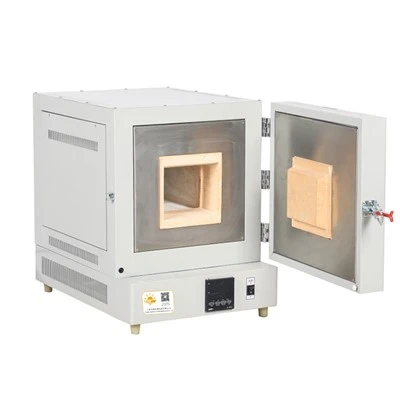
So, there you have it! Those are the main installation requirements for a vacuum furnace. As a supplier, I know how important it is to get these things right. If you’re thinking about purchasing a vacuum furnace, make sure you take the time to plan the installation properly.
Well Furnace If you have any questions or need more information about the installation requirements or our vacuum furnaces, don’t hesitate to reach out. We’re here to help you every step of the way. Whether you’re a small business or a large industrial operation, we’ve got the right vacuum furnace for you. Let’s have a chat and see how we can meet your needs.
References
- "Vacuum Furnace Technology Handbook"
- "Industrial Furnace Installation Guide"
- "Safety Standards for Vacuum Furnaces"
Danyang Dingfeng Industrial Furnace Co., Ltd.
Danyang Dingfeng Industrial Furnace Co., Ltd. is one of the most experienced vacuum furnace manufacturers and suppliers in China, also supports customized service with low price. Please feel free to wholesale high quality vacuum furnace made in China here from our factory. For pricelist, contact us now.
Address: Lizhuang Economic Development Zone, Danyang City
E-mail: saleszk@dffurnace.com
WebSite: https://www.dffurnace.com/
