If you’ve ever slipped on a pair of sneakers, only to feel your toes pressed against the narrow toe box, or your heels sliding out mid-stride because the sides feel too tight, you’ve probably asked: do sports shoes come in wide widths? As a sports shoes supplier who’s spent 12 years navigating the manufacturing and retail side of this industry, the answer isn’t a simple “yes” or “no” — it’s layered, shaped by evolving consumer demand, historical industry gaps, and the practical limits of making shoes that fit every foot shape. Let me walk you through what that means for customers, for brands, and for someone like me who’s seen firsthand how these choices impact both comfort and performance. Sports Shoes

When I first started in this business in 2011, wide-width sports shoes were a niche afterthought. Most brands focused on a standard “D” width for men and “B” for women, a holdover from mid-20th century sizing conventions that assumed the average foot was narrow and symmetrical. Back then, if a customer ordered a 10.5 “wide”, they often had to wait weeks for a special order, and even then, the toe box was slightly larger — but the arch and heel counters were still cut to fit a narrow foot. It wasn’t that the technology didn’t exist; it was that no one prioritized it. Consumers didn’t voice the need loudly enough, and retailers didn’t want to stock extra sizes that might sit on shelves unsold. I remember one of my first big clients, a regional running store, turning down our first line of wide-width trainers because they said “90% of our regulars don’t ask for them.” That was the mindset for years.
That started shifting around 2017, driven by two big changes: consumer advocacy and performance data. Podiatrists began publishing studies showing that 30% of adults have feet that fall into the wide-width category, and that ill-fitting narrow sports shoes aren’t just uncomfortable — they can lead to blisters, bunions, and even stress fractures during high-impact activities like running or basketball. Athletes with wide feet started speaking out too: I spoke to a college basketball forward that year who told me he’d missed three games because his team’s only available wide shoes had thin soles that gave him knee pain. “If I could get a wide shoe with the same cushioning as the standard,” he said, “I could play every game.” That comment stuck with me, and it pushed me to invest in a better understanding of how to design wide-width shoes that don’t compromise on performance.
Today, the market has changed dramatically. Most major sports shoe brands now offer wide-width options for running, training, and even lifestyle sneakers — but that doesn’t mean all wide shoes are created equal. There are two main types of wide widths you’ll see: “true wide” and “curated wide.” True wide shoes adjust the entire last — the 3D mold that shapes a shoe — to be wider at the forefoot, midfoot, and heel. Curated wide shoes only widen the toe box, leaving the rest of the structure the same as a standard width. For a long-distance runner, the difference is night and day: a true wide last reduces pressure on the metatarsal heads (the balls of the feet) during a 10-mile run, while a curated wide still leaves the midfoot tight, leading to fatigue. As a supplier, we prioritize true wide lasts because we know that’s what customers are actually looking for — not just extra space in the toes.
But there are still gaps, especially in specialized categories. When it comes to court sports like tennis or volleyball, wide-width options are far less common. The rigid support needed for lateral movements means that adjusting the last can throw off the shoe’s stability, a risk brands have been hesitant to take. We spent two years testing last adjustments for our wide-width tennis shoes, working with podiatrists and pro players with wide feet, before launching a line last year. We found that a 15% widening of the forefoot, paired with a slightly flexible midfoot shank, could maintain stability without sacrificing fit — but it took a lot of trial and error. That’s the challenge for any sports shoes supplier: balancing inclusivity with the performance that athletes rely on.
Another common myth is that wide-width shoes are only for people with wide feet. That’s not true. Some people have narrow heels but wide forefeet, which means a standard width shoe will pinch the toes even if the heel fits. That’s why many customers who don’t identify as “wide” still benefit from trying a wide width — it’s not about your size, it’s about the shape of your foot. As a supplier, we’ve seen a 20% increase in sales of wide-width shoes over the past three years, and a lot of those sales are from customers who were previously unsure if a wide shoe would work for them. We make a point of including a guide on our website that explains how to measure your foot width at home, to help customers make that choice without guessing.
Of course, there are still barriers to getting the right wide-width sports shoes. For one thing, not all sizes are available in wide widths. A brand might offer a 7, 8, 9, and 10 in wide, but skip the 6 or 11 — a problem for younger athletes, whose feet are still growing, or for older adults with larger feet. We’ve worked to address that by making sure our wide line includes sizes from 5 to 13, and we offer half sizes in wide for most styles. Another barrier is price: wide-width shoes often cost $10 to $20 more than standard width, because the manufacturing process requires different lasts and often smaller production runs per size. As a supplier, we’ve negotiated with our factories to keep that premium as low as possible, because we believe fit shouldn’t come at a higher cost.
Looking ahead, the future of wide-width sports shoes is about more than just making shoes wider — it’s about making them adjustable. Some brands are testing shoes with interchangeable insoles or lacing systems that let users widen or narrow the midfoot and forefoot based on the activity. For example, a runner might loosen the midfoot laces for a long run, then tighten them for a track workout the next day. We’re in the early stages of developing a similar adjustable wide shoe, and we’ve already had positive feedback from test customers who have both wide feet and foot conditions like bunions or plantar fasciitis. This kind of customization is going to be key to meeting the needs of a broader range of foot shapes, as more people become aware that “one size fits all” doesn’t work for feet.
As someone who’s been in this business for over a decade, I’ve seen first-hand the difference a well-fitting wide sports shoe can make. I think back to that college basketball forward I met in 2017; last year, he reached out to tell me our wide-width basketball shoes let him play his best season yet. That’s the impact we’re all working toward, as suppliers and as brands: making sure every athlete, every weekend hiker, and every person who just wants a comfortable pair of sneakers can find shoes that fit their feet, no matter their size.
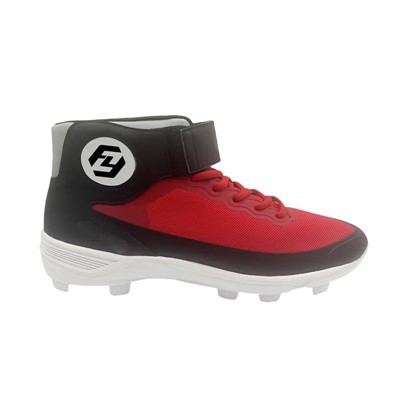
If you’re a retailer looking to expand your wide-width sports shoe offerings, or a brand that wants to collaborate on developing inclusive fit solutions, feel free to connect with our team to discuss your needs. We partner with businesses of all sizes, from small local stores to large national chains, and we’re always looking for new ways to make high-quality, wide-fit sports shoes accessible to more customers.
Men’s Cleats References
- American Podiatric Medical Association. (2019). Foot Health and Athletic Shoe Fit.
- Journal of Sports Medicine and Physical Fitness. (2018). The Relationship Between Shoe Width and Overuse Injuries in Runners.
- National Foot Health Assessment. (2021). Prevalence of Wide Foot Widths in Adult Populations.
- Sports Fitness Industry Association. (2022). Athletic Footwear Trend Report: Inclusive Fit Options.
Quanzhou Yangwang Trading Co., Ltd.
Address: No. 234-1 East Qiguang Road, Handai Village, Chendai Town, Jinjiang City, Quanzhou City, Fujian Province.
E-mail: mariajose@quanzhouyangwang.com
WebSite: https://www.fuyingshoes.com/
