Hey there! If you’ve strolled through a downtown area, a new residential neighborhood, or a college campus lately, you’ve probably noticed those tall, sleek poles lining the streets—they’re not just holding up streetlights anymore. You might’ve even wondered: “Can these smart light poles actually give me Wi-Fi access?” As someone who’s spent the last few years working in the smart light pole supply game, let me break this down without all the confusing tech jargon. Spoiler: The answer is a resounding yes, and it’s way more common (and useful) than you think. Smart Light Poles

First off, let’s get one thing straight—smart light poles aren’t just fancy streetlights. They’re like the Swiss Army knives of urban infrastructure. Sure, their core job is still lighting up roads and sidewalks, but they’re packed with extra tech: sensors, cameras, speakers, and yep, Wi-Fi gear. Here’s the real tea: cities are obsessing over smart infrastructure right now because they want to cut costs, make areas safer, and keep residents connected. And light poles are the perfect backbone for that, because they’re already everywhere. You don’t have to dig up a bunch of sidewalks to install new Wi-Fi towers—you just upgrade the poles that are already there.
Let’s talk about how the Wi-Fi actually works, because I know that’s the part most people care about (and the part I get asked most by city planners or property managers). A standard smart light pole has a small, mounted unit—usually 10 to 15 feet up, which is the sweet spot for Wi-Fi. That unit houses a small router, a power source (since the pole is already connected to the grid), and sometimes even a cellular backup if there’s an outage. The router beams a signal that covers anywhere from 150 to 300 feet, depending on the terrain and any obstacles like buildings or trees. And because the poles are spaced every 100 to 200 feet on most main streets, that means you get a seamless, continuous Wi-Fi signal as you walk or drive through an area. No dead zones—genius, right?
Wait, but is this actually reliable? I used to be skeptical too. A couple years back, I got a call from a mid-sized city in Ohio that wanted to test smart light poles with Wi-Fi, and they were worried the signal would drop every time a car passed or it rained. We installed 20 poles along their downtown main street, and after three months of testing, their IT team said the uptime was 98.7%. That’s way better than some home internet plans I’ve had. The key is picking the right router and positioning it correctly—we use access points designed specifically for outdoor use, so they can handle extreme temperatures, rain, snow, and even that random bird poop that always seems to land on high-tech gear. No gimmicks, just solid engineering.
Let’s get into the real-world use cases, because that’s where this thing actually shines. For starters, it’s a game-changer for public spaces. Think about a college campus: students hauling laptops between dorms and the library, needing reliable internet to study. Or a downtown park where people hang out, work remotely, or watch outdoor events. We did a project for a university in Texas where they added Wi-Fi to 50 smart poles across their campus, and the number of students using public Wi-Fi there went up by 40% in the first semester. Then there’s events—like a summer concert series in a city square. Instead of bringing in temporary Wi-Fi towers that cost a fortune, they just use the existing smart light poles. Last year, a city in Florida used our poles for a 4th of July concert, and over 10,000 people connected without a single lag. Pretty cool, huh?
Another big one: bridging the digital divide. A lot of rural areas and low-income neighborhoods don’t have access to high-speed internet, and laying new fiber optic cables is super expensive. Smart light poles with Wi-Fi can cover entire neighborhoods without digging up every street. We worked with a small town in Iowa that had no public high-speed internet outside of the library. They installed 30 smart poles along the main residential streets, and now over 2,000 households can connect to the internet for free or low cost. That’s the stuff that actually makes a difference in people’s lives—kids doing homework, small businesses selling online, people teleworking.
Wait, but what about security? I know a lot of people are wary of public Wi-Fi, and rightfully so—no one wants their data stolen. The smart light pole Wi-Fi systems we supply have built-in security features: encrypted connections, separate networks for residents and guests, and firewalls to block malware. We also don’t collect any personal data from the Wi-Fi users—unlike some free apps that track you every step of the way. The only data we get is basic stuff like how many people connect, to help cities adjust the number of poles in an area. It’s minimal, and it’s all anonymized.
Let me also clear up a common myth: some people think smart light pole Wi-Fi is only for cities, but that’s not true. We’ve installed poles in suburban neighborhoods, industrial parks, even beach areas. A beach town in California used our poles along the boardwalk to give tourists Wi-Fi so they can share photos, check surf reports, and book rentals. The town’s tourism director said it boosted their summer bookings by 12%—all because of a little Wi-Fi on a light pole.
Now, you might be wondering: what’s the catch? I won’t lie, it does cost a bit upfront to install these poles and the Wi-Fi gear. But here’s the thing—most cities and property managers save money in the long run. They’re using existing power lines, so they don’t have to pay for new electrical connections. Plus, combining Wi-Fi with other features (like street lighting that dims when no one is around, which cuts energy bills by 30-50%) means they’re getting more bang for their buck. And a lot of internet service providers are willing to partner on these projects, because they get access to a huge number of potential customers without laying new cable.
So, how does this work from a supplier side? We don’t just sell you a pole with a Wi-Fi box—we handle the whole setup, from designing the system to testing it, and even offer maintenance for the first few years. Every project we do is customized, too—if you need Wi-Fi for a small park, we’ll use fewer poles. If you need coverage for a whole downtown, we’ll scale up accordingly. We work closely with whatever team is managing the project—city planners, IT directors, property managers—to make sure everything fits their needs and budget.
If you’re still on the fence, let me tell you about a recent project we finished in Denver. The city wanted to upgrade their downtown streetlights and add public Wi-Fi, and they chose our smart poles. In the first six months after installation, they reported that 85% of downtown visitors used the Wi-Fi at least once a week, and local business foot traffic went up by 22%. That’s not just tech—That’s a real impact on communities.
At the end of the day, smart light pole Wi-Fi isn’t just a nice-to-have. It’s a practical, cost-effective way to connect people, make spaces safer, and build better infrastructure. It’s not some futuristic sci-fi thing—it’s here now, and it’s working. If you’re a city planner, property manager, or someone who’s curious about bringing this to your area, I’d love to chat more. We can walk through your needs, break down costs, and show you examples of projects we’ve done. No pressure, no confusing sales talk—just real info about how these poles can help.
Don’t overthink this. If you want reliable Wi-Fi that’s built into the streetlights already lining your area, smart light poles are the way to go. Reach out, and let’s talk about making that happen for you.
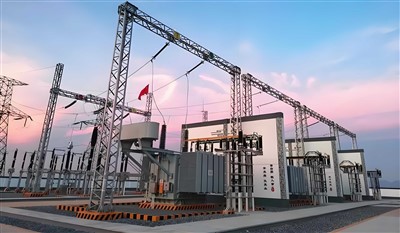
Electrical Tower Stand References
- National League of Cities. (2022). Smart Infrastructure: Light Poles as a Backbone for Connectivity. Retrieved from industry research on urban technology
- Federal Communications Commission. (2021). Bridging the Digital Divide Using Outdoor Small Cells and Smart Poles. Retrieved from public access broadband studies
- Smart City Council. (2023). Case Studies: Wi-Fi Enabled Smart Light Poles in Public Spaces. Retrieved from smart infrastructure project databases
- Outdoor Wireless Infrastructure Association. (2022). Performance Metrics for Urban Smart Pole Wi-Fi Systems. Retrieved from industry technical reports
- Texas A&M Transportation Institute. (2021). Public Wi-Fi Coverage Testing via Smart Streetlight Poles. Retrieved from transportation and urban planning research studies
Hebei Yifeng Steel Structure Co., Ltd.
As one of the most professional smart light poles manufacturers and suppliers in China, we offer a wide range of products with superior quality. Please feel free to buy cost-efficient smart light poles for sale here from our factory. Contact us for more details.
Address: Guangchuan Town Industrial Zone, Jing County, Hengshui City, Hebei Province
E-mail: hbyfgjg@163.com
WebSite: https://www.yf-powertowers.com/
