Hey there! I’m a supplier in the automotive and EV stamping parts game. Over the years, I’ve seen firsthand how the industry’s changed, especially with the rise of electric vehicles. One of the biggest headaches for everyone involved, from manufacturers to end – users, is finding cost – effective solutions for stamping parts production. So, I’m gonna share some insights based on my experience. Automotive & EV Stamping Parts
1. Material Selection
Let’s start with the most basic yet crucial aspect: materials. The choice of material can make or break your production costs. In the automotive and EV world, steel and aluminum are the heavy – hitters.
Steel is super popular because it’s strong and relatively cheap. There are different grades of steel, though, and picking the right one is key. For parts that need high strength and durability, like chassis components, high – strength low – alloy (HSLA) steel is a great option. It offers better performance than regular steel but doesn’t cost a fortune. On the other hand, if you’re looking for something lighter, advanced high – strength steels (AHSS) are worth considering. They’re lighter than traditional steel, which helps improve fuel efficiency in gas – powered cars and extends the range in EVs.
Aluminum is another material that’s gaining traction, especially in EVs. It’s much lighter than steel, which is crucial for reducing the overall weight of the vehicle. But here’s the catch: aluminum is more expensive than steel. However, with the right sourcing strategy, you can minimize the cost. I’ve found that building long – term relationships with aluminum suppliers can get you better prices. Also, look for suppliers that offer recycled aluminum. Recycled aluminum has the same properties as virgin aluminum but costs less, and it’s more eco – friendly too.
2. Tooling Optimization
Tooling is a huge part of the stamping process, and it can be a big expense. But there are ways to make it more cost – effective. First off, design your tools to last. Using high – quality tool steels may seem expensive at first, but they’ll save you money in the long run because they require fewer replacements.
Another thing is to optimize the tool design for the stamping process. For example, you can use computer – aided design (CAD) software to simulate the stamping process before making the actual tool. This can help you identify potential problems like cracks or wrinkles in the stamping parts and make adjustments to the tool design accordingly. It’s like testing the waters before you dive in. This way, you can avoid costly rework later on.
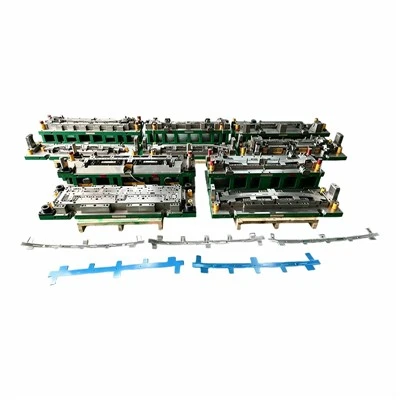
Also, consider multi – part tooling. Instead of having separate tools for each part, you can design a tool that can produce multiple parts at once. This not only saves on tooling costs but also increases production efficiency. I’ve seen some cases where multi – part tooling reduced the per – part cost by up to 30%.
3. Production Process Efficiency
Making your production process more efficient is a no – brainer when it comes to cost – effectiveness. One of the first things you can do is automate your stamping presses. Automated presses can work faster and more accurately than manual ones, which means higher production volumes and fewer defects. Sure, the initial investment in automation is high, but the long – term savings are huge.
Another aspect is production scheduling. Try to batch similar parts together. This reduces the time it takes to change over the tools between different parts. For example, if you have two parts that require similar stamping operations, you can schedule them back – to – back. It’s like doing all your laundry in one go instead of doing it piece by piece.
In addition, implementing a lean manufacturing approach can really help. Lean manufacturing focuses on eliminating waste in the production process. This includes reducing inventory, minimizing downtime, and improving quality control. By using lean principles, you can make your production process more streamlined and cost – effective.
4. Quality Control
Quality control is often overlooked when it comes to cost – effectiveness, but it shouldn’t be. Defective parts can lead to a lot of additional costs, such as rework, scrap, and warranty claims. So, having a good quality control system in place is essential.
Start by setting up in – process inspections. Instead of waiting until the end of the production process to check for defects, you can inspect the parts at various stages. This way, you can catch problems early and fix them before they become more serious.
Invest in quality control equipment, like coordinate measuring machines (CMMs). CMMs can accurately measure the dimensions of the stamping parts and ensure they meet the required specifications. It’s like having a super – accurate ruler that can tell you if the part is exactly the way it should be.
Also, encourage your employees to take ownership of quality. Train them to recognize and report potential quality issues. A culture of quality within your organization can go a long way in reducing costs associated with poor quality.
5. Supply Chain Management
Your supply chain plays a big role in the cost – effectiveness of stamping parts production. First, establish strong relationships with your suppliers. By working closely with them, you can negotiate better prices, payment terms, and delivery schedules.
For example, you can enter into long – term supply contracts. These contracts can provide stability for both you and the supplier. The supplier knows they have a steady customer, and you can get better pricing because you’re承诺 a certain volume of purchases over a period of time.
Another thing is to diversify your suppliers. Relying on a single supplier can be risky. If that supplier has a problem, like a labor strike or production issues, it can disrupt your entire production process. By having multiple suppliers, you can ensure a continuous supply of materials and parts.
And don’t forget about logistics. Optimize your transportation and inventory management. You can use just – in – time (JIT) inventory systems to reduce inventory holding costs. With JIT, you only order and receive materials and parts as you need them for production.
Conclusion
In conclusion, there are many cost – effective solutions for automotive and EV stamping parts production. From smart material selection and tooling optimization to production process efficiency, quality control, and supply chain management, every aspect of the production process can be optimized to save money.
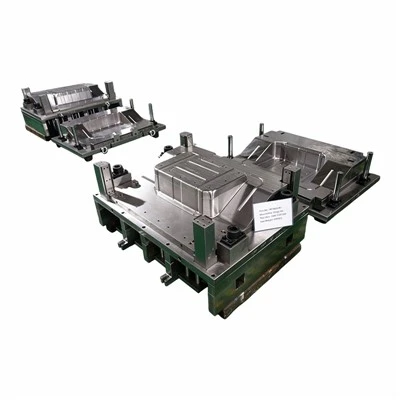
If you’re in the market for automotive or EV stamping parts, I’d love to have a chat with you. I’ve got the experience and knowledge to help you find the most cost – effective solutions for your needs. Whether you need a small batch of custom parts or high – volume production, I’m here to assist. So, don’t hesitate to reach out for a procurement discussion!
Transfer Dies & Tandem Dies References:
- "Manufacturing Engineering Handbook"
- "Automotive Manufacturing Technology"
- Industry reports on automotive and EV stamping parts production
Dongguan Changdong Tool & Die Co., Ltd.
With abundant experience, we are one of the most reliable automotive & ev stamping parts manufacturers and suppliers in China. Please feel free to buy advanced automotive & ev stamping parts made in China here from our factory. Good service and quality products are available.
Address: No. 56-B, Fumin South Road, Dalang Town, Dongguan City, Guangdong Province, China
E-mail: sales@stamping-die.com
WebSite: https://www.metalstampingdie.com/
