As a supplier in the trucks and tractors industry, I’ve witnessed firsthand the complex dance that these large vehicles perform with other road users. Trucks and tractors are the workhorses of our economy, transporting goods across vast distances and powering agricultural operations. However, their size, weight, and unique operational characteristics mean they interact with other vehicles on the road in ways that demand special attention and understanding. Trucks and Tractors

The Physical Presence of Trucks and Tractors
Trucks and tractors are significantly larger than most passenger cars. A typical semi – truck can be up to 70 feet long, while some agricultural tractors can have wide implements attached, making them several meters across. This physical presence has a profound impact on their interaction with other vehicles.
Visibility is a major concern. Trucks and tractors have large blind spots, often referred to as "no – zones." In front of a truck, the blind spot can extend up to 20 feet, while on the sides, it can cover several lanes. Rear blind spots can be even more extensive. Passenger car drivers need to be aware of these no – zones and avoid lingering in them. For example, if a car is in a truck’s blind spot and suddenly changes lanes, the truck driver may not see it, leading to a potentially dangerous situation.
On the other hand, trucks and tractors also have a limited field of view due to their size and the shape of their cabs. They require more time and distance to stop compared to smaller vehicles. A fully loaded truck traveling at 60 miles per hour may need up to 400 feet to come to a complete stop, while a car can stop in about half that distance. This means that other vehicles on the road should give trucks and tractors plenty of space, especially when braking or making sudden maneuvers.
Speed and Maneuverability
Trucks and tractors are not as agile as passenger cars. They have longer acceleration and deceleration times. When entering a highway, a truck may take longer to reach the speed of traffic, and it may require a larger gap to merge safely. Other drivers should be patient and allow trucks and tractors the space they need to enter the flow of traffic.
Tractor – trailer combinations, in particular, have a unique turning radius. When a truck makes a right – hand turn, it often needs to swing wide to the left first to clear the trailer. Passenger cars that try to squeeze between the truck and the curb during a turn are at high risk of being hit. It’s crucial for car drivers to understand this and wait for the truck to complete its turn before proceeding.
In rural areas, tractors are a common sight on the roads. They are designed for agricultural work, not high – speed travel. Tractors typically have a maximum speed of around 25 – 30 miles per hour. When following a tractor, other drivers should be prepared for a slow – moving vehicle. It’s important to maintain a safe distance and wait for a safe passing opportunity, such as a long, clear stretch of road with good visibility.
Weather and Road Conditions
Weather and road conditions can further complicate the interaction between trucks and tractors and other vehicles. In rainy or snowy weather, the braking distance of trucks and tractors increases significantly. The large tires of trucks can displace a large amount of water, creating spray that can reduce visibility for following vehicles. Passenger car drivers should increase their following distance and use their windshield wipers and headlights appropriately.
On icy or slippery roads, trucks and tractors are more prone to skidding and jackknifing. A jackknife occurs when the trailer of a truck swings out at an angle to the cab, often blocking multiple lanes of traffic. Other vehicles need to be extra cautious around trucks and tractors in these conditions and be prepared for sudden stops or erratic movements.
In hot weather, trucks may experience overheating issues, especially if they are climbing steep grades. This can cause them to slow down or even stop on the road. Other drivers should be aware of this possibility and give trucks the space they need to deal with mechanical problems safely.
Communication on the Road
Effective communication is essential for safe interaction between trucks and tractors and other vehicles. Truck and tractor drivers use their turn signals, brake lights, and hazard lights to indicate their intentions. Passenger car drivers should pay close attention to these signals and respond accordingly.
In addition to visual signals, some truck drivers may use their horns to communicate. A short honk can be a warning to other drivers, while a long, continuous honk may indicate an emergency situation. However, horn use should be used sparingly and in accordance with traffic laws.
Two – way radios are also commonly used by truck drivers to communicate with each other and with dispatchers. This allows them to share information about road conditions, traffic jams, and potential hazards. While passenger car drivers don’t have access to this communication network, they can benefit from being aware that trucks are communicating and may be adjusting their driving based on the information they receive.
Safety Regulations and Training
To ensure the safe interaction of trucks and tractors with other vehicles, there are strict safety regulations in place. Truck and tractor drivers are required to have special licenses and undergo extensive training. They must adhere to hours – of – service regulations to prevent fatigue, which can impair their driving ability.
Vehicle safety inspections are also mandatory. Trucks and tractors need to be regularly maintained to ensure that their brakes, tires, lights, and other critical components are in good working condition. This not only protects the drivers of these large vehicles but also the other users of the road.
As a supplier of trucks and tractors, we play an important role in promoting safety. We provide vehicles that meet or exceed safety standards and offer training and support to our customers. We understand that the safe operation of our products is crucial for the well – being of everyone on the road.
The Role of Technology
Advancements in technology are also improving the interaction between trucks and tractors and other vehicles. Many modern trucks are equipped with collision avoidance systems, which use sensors and cameras to detect potential collisions and automatically apply the brakes if necessary. Lane departure warning systems alert drivers when they are drifting out of their lane without using a turn signal.
Tractors are also benefiting from technology. GPS systems help farmers navigate their fields more efficiently and can also be used for on – road travel. Some tractors are equipped with safety features such as roll – over protection systems, which can reduce the risk of injury in the event of an accident.
As suppliers, we are constantly looking for new technologies to incorporate into our products. We believe that by providing trucks and tractors with the latest safety features, we can contribute to a safer road environment for everyone.
Conclusion
The interaction between trucks and tractors and other vehicles on the road is a complex but crucial aspect of traffic safety. By understanding the physical characteristics, speed limitations, and unique challenges faced by these large vehicles, other drivers can take appropriate precautions. At the same time, truck and tractor drivers must adhere to safety regulations and use good judgment to ensure the safety of themselves and others.
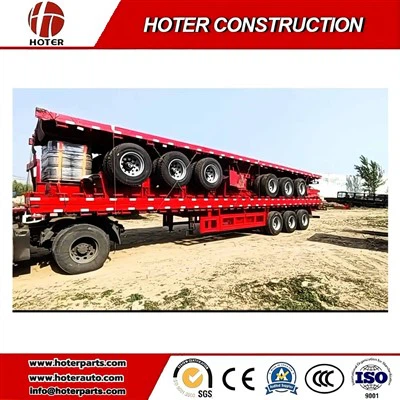
As a leading supplier of trucks and tractors, we are committed to providing high – quality vehicles that are safe, reliable, and efficient. We work closely with our customers to ensure that they have the knowledge and support they need to operate our products safely.
America Suspension If you are in the market for trucks or tractors, we invite you to contact us to discuss your specific needs. Our team of experts is ready to provide you with the best solutions and the highest level of service. We look forward to working with you to meet your transportation and agricultural requirements.
References
- Federal Motor Carrier Safety Administration. (2023). Safety Regulations for Commercial Motor Vehicles.
- American Trucking Associations. (2023). Trucking Industry Statistics and Research.
- National Highway Traffic Safety Administration. (2023). Traffic Safety Facts.
Zhangzhou Hoter Construction Machinery and Parts Co., Ltd.
As one of the most professional trucks and tractors manufacturers and suppliers in China, we’re featured by quality products and good price. Please rest assured to wholesale high-grade trucks and tractors for sale here from our factory. Contact us for more details.
Address: No. 3/4-41, Ziwei Road, Longhai, Zhangzhou city, Fujian province, China
E-mail: info@hoterparts.com
WebSite: https://www.hoterparts.com/
