In the world of industrial and hardware components, swivel points are a remarkable invention. As a reputable supplier of swivel points, I’ve had the privilege of witnessing how these small yet crucial components can make a significant difference in various applications. One question that frequently arises from our customers is, "Are swivel points suitable for outdoor use?" Today, I’d like to delve into this topic and share some insights based on my years of experience in the industry. Swivel Point

Understanding Swivel Points
Before we discuss their suitability for outdoor use, let’s briefly understand what swivel points are. Swivel points are mechanical devices designed to allow parts to rotate smoothly around a fixed axis. They are commonly used in a wide range of applications, including furniture, automotive, aerospace, and heavy machinery. The primary function of a swivel point is to provide flexibility and range of motion, enabling components to move freely and efficiently.
Swivel points come in various shapes, sizes, and materials, each tailored to specific applications. Some are made of metal, such as steel or aluminum, which offer high strength and durability. Others are constructed from plastic or composite materials, which are lightweight and corrosion-resistant. The choice of material depends on several factors, including the application’s requirements, the environment in which the swivel point will be used, and the budget.
Factors to Consider for Outdoor Use
When it comes to using swivel points outdoors, several factors need to be considered to ensure their suitability and longevity. These factors include:
- Weather Conditions: Outdoor environments are exposed to a variety of weather conditions, including rain, snow, sunlight, and extreme temperatures. These conditions can cause corrosion, rust, and degradation of the swivel point’s materials over time. Therefore, it’s essential to choose a swivel point made of materials that are resistant to weathering and corrosion.
- UV Exposure: Sunlight contains ultraviolet (UV) rays, which can cause damage to plastic and rubber components. Prolonged exposure to UV rays can cause these materials to become brittle, crack, and lose their flexibility. To prevent UV damage, it’s important to select swivel points that are made of UV-resistant materials or are coated with a UV-protective finish.
- Moisture and Humidity: Moisture and humidity can also cause corrosion and rust in metal components. In addition, high humidity levels can promote the growth of mold and mildew, which can damage the swivel point’s surface and affect its performance. To protect against moisture and humidity, it’s recommended to choose swivel points that are sealed or coated with a moisture-resistant finish.
- Dirt and Debris: Outdoor environments are often dirty and dusty, and swivel points can easily become clogged with dirt and debris. This can affect the swivel point’s smooth operation and cause premature wear and tear. To prevent dirt and debris from entering the swivel point, it’s important to choose a design that is sealed or has a protective cover.
- Mechanical Stress: Outdoor applications often involve heavy loads and high levels of mechanical stress. Swivel points need to be able to withstand these forces without breaking or failing. Therefore, it’s crucial to select a swivel point that is designed for the specific application and has the appropriate load capacity.
Suitable Materials for Outdoor Swivel Points
Based on the factors mentioned above, here are some materials that are suitable for outdoor swivel points:
- Stainless Steel: Stainless steel is a popular choice for outdoor applications due to its high strength, corrosion resistance, and durability. It can withstand exposure to moisture, saltwater, and harsh chemicals without rusting or corroding. Stainless steel swivel points are available in various grades, each with different levels of corrosion resistance. For outdoor use, it’s recommended to choose a grade that is specifically designed for marine or outdoor environments.
- Aluminum: Aluminum is another lightweight and corrosion-resistant material that is suitable for outdoor swivel points. It has a high strength-to-weight ratio, making it ideal for applications where weight is a concern. Aluminum swivel points are also easy to machine and can be anodized or coated to enhance their corrosion resistance.
- Plastic: Certain types of plastic, such as nylon and polycarbonate, are resistant to UV rays, moisture, and chemicals, making them suitable for outdoor use. Plastic swivel points are lightweight, inexpensive, and can be molded into various shapes and sizes. However, they may not be as strong as metal swivel points and may require additional reinforcement for heavy-duty applications.
- Composite Materials: Composite materials, such as fiberglass and carbon fiber, offer a combination of high strength, lightweight, and corrosion resistance. They are often used in high-performance applications where weight reduction and durability are critical. Composite swivel points can be more expensive than other materials, but they offer superior performance and longevity.
Applications of Outdoor Swivel Points
Swivel points are used in a wide range of outdoor applications, including:
- Marine Industry: In the marine industry, swivel points are used in various applications, such as boat rigging, fishing equipment, and dock hardware. They are exposed to saltwater, high humidity, and UV rays, making it essential to choose swivel points that are made of corrosion-resistant materials, such as stainless steel or aluminum.
- Outdoor Furniture: Swivel points are commonly used in outdoor furniture, such as patio chairs and tables, to provide flexibility and range of motion. They need to be able to withstand exposure to sunlight, rain, and temperature variations without rusting or corroding. Plastic or aluminum swivel points are often used in outdoor furniture due to their lightweight and corrosion-resistant properties.
- Automotive and Recreational Vehicles: Swivel points are used in automotive and recreational vehicles, such as trailers, campers, and boats, to allow for easy movement and adjustment. They need to be able to withstand heavy loads and vibrations, as well as exposure to dirt, dust, and moisture. Metal swivel points, such as steel or stainless steel, are commonly used in these applications.
- Agricultural Equipment: In the agricultural industry, swivel points are used in various equipment, such as tractors, combines, and plows, to provide flexibility and range of motion. They are exposed to dirt, dust, and chemicals, making it important to choose swivel points that are made of durable and corrosion-resistant materials.
Conclusion
In conclusion, swivel points can be suitable for outdoor use, provided that the appropriate materials and design are chosen. When selecting swivel points for outdoor applications, it’s important to consider the weather conditions, UV exposure, moisture and humidity, dirt and debris, and mechanical stress. Stainless steel, aluminum, plastic, and composite materials are all suitable options for outdoor swivel points, depending on the specific application and requirements.
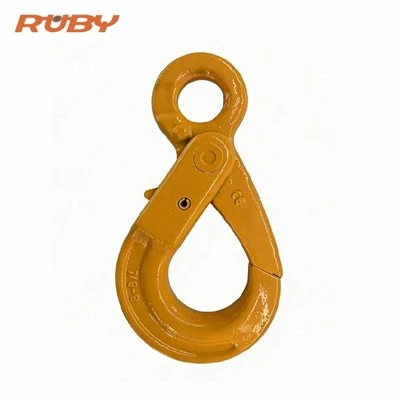
As a supplier of swivel points, we understand the importance of providing high-quality products that meet the needs of our customers. We offer a wide range of swivel points made of different materials and designs to suit various outdoor applications. Our team of experts can help you select the right swivel point for your specific needs and provide you with technical support and guidance throughout the purchasing process.
Lifting Point If you’re in the market for swivel points for outdoor use, we invite you to contact us to discuss your requirements. We’d be happy to provide you with a quote and answer any questions you may have. Let’s work together to find the perfect swivel point solution for your outdoor application.
References
- ASM Handbook, Volume 13A: Corrosion: Fundamentals, Testing, and Protection. ASM International, 2003.
- Machinery’s Handbook, 30th Edition. Industrial Press, 2015.
- Plastics Engineering Handbook of the Society of the Plastics Industry, Inc., 5th Edition. Carl Hanser Verlag, 2013.
Hangzhou Ruby Imp. & Exp. Co., Ltd.
As one of the most experienced swivel point manufacturers and suppliers in China, we offer a wide range of products with superior quality. We warmly welcome you to wholesale custom made swivel point at competitive price from our factory.
Address: Taoyuan Industrial Park, Puyang Town, Xiaoshan, Hangzhou, Zhejiang, China.
E-mail: Sales5@z2lifting.com
WebSite: https://www.rubylifting.com/
