As a seasoned supplier of culture paper, I’ve witnessed firsthand the diverse needs and requirements of our clients across various industries. One of the most frequently asked questions I encounter is about the tearing strength characteristics of culture paper. In this blog post, I’ll delve into the intricacies of tearing strength, its significance, and how it impacts the performance of culture paper in different applications. Culture Paper

Understanding Tearing Strength
Tearing strength is a crucial property that measures a paper’s resistance to the propagation of a pre – existing tear. It’s a vital characteristic because it determines how well the paper will hold up under stress during handling, processing, or end – use. For culture paper, which is often used in printing books, magazines, brochures, and other high – volume printed materials, strong tearing strength is essential.
The tearing strength of a paper is affected by several factors, including the type of fibers used, the manufacturing process, and the paper’s structure. In the case of culture paper, most commonly wood pulp fibers are used. These fibers can be either softwood or hardwood. Softwood fibers are generally longer and can provide better tear resistance due to their ability to form a more entangled network. On the other hand, hardwood fibers are shorter but can contribute to a smoother and more even surface, which is beneficial for printing quality.
The Impact of Manufacturing Process
The way culture paper is manufactured also plays a significant role in determining its tearing strength. During the papermaking process, factors such as refining, pressing, and drying can all affect the final tearing strength of the paper.
Refining is the process of mechanically treating the pulp fibers to increase their surface area and fibrillate them. A higher degree of refining can lead to increased hydrogen bonding between the fibers, which in turn can improve the paper’s internal strength, including tearing strength. However, over – refining can also make the paper more brittle and reduce its flexibility, which may have a negative impact on tearing strength in some cases.
Pressing is another critical step in the papermaking process. Proper pressing helps to remove excess water from the wet paper web and densifies the fibers, enhancing their inter – fiber bonding. This can result in improved tearing strength. If the pressing is too light, the fibers may not be adequately bonded, leading to a weaker paper. Conversely, if the pressing is too heavy, the fibers may be crushed, also reducing the paper’s strength.
The drying process also affects tearing strength. Rapid drying can cause the fibers to shrink unevenly, creating internal stresses in the paper that can weaken it. Slow and controlled drying, on the other hand, allows the fibers to dry more uniformly, resulting in a paper with better tearing strength.
Tearing Strength and Paper Structure
The structure of culture paper, including its basis weight, thickness, and porosity, also influences its tearing strength. Generally, papers with a higher basis weight (the weight of a ream of paper) tend to have higher tearing strength. This is because there are more fibers per unit area, which provides greater resistance to tearing.
Thickness is related to basis weight, but it also depends on the density of the paper. A thicker paper may have more fibers and thus better tearing strength, but if the paper is too porous, the fibers may not be as well – bonded, which can reduce the tearing strength. Porosity affects tearing strength because it influences the distribution of stress within the paper. A paper with high porosity may allow stress to be more easily concentrated at the tear tip, making it more prone to tearing.
Importance of Tearing Strength in Different Applications
In the printing industry, the tearing strength of culture paper is of utmost importance. When printing high – volume materials such as books and magazines, the paper needs to withstand the rigors of the printing press, including high – speed feeding, folding, and trimming. If the tearing strength is too low, the paper may tear during these processes, leading to production delays and waste.
For end – users, such as readers of books and magazines, a paper with good tearing strength ensures that the pages can be turned easily without tearing. This enhances the overall reading experience and the durability of the printed material.
In addition, culture paper is often used in packaging applications, such as for brochures and catalogs. In these cases, the paper needs to be able to withstand handling and transportation without tearing. Good tearing strength in packaging applications helps to protect the contents and maintain the integrity of the package.
Testing Tearing Strength
To measure the tearing strength of culture paper, several standard testing methods are available. One of the most commonly used methods is the Elmendorf tear test. In this test, a pre – cut paper specimen is held in a clamp, and a pendulum is released to tear the specimen. The energy required to tear the paper is measured, and this energy value is used to calculate the tearing strength of the paper.
Another method is the trouser tear test, which is used to measure the force required to propagate a tear in a paper specimen. This method is particularly useful for measuring the tearing strength of papers with a high degree of anisotropy (direction – dependent properties).
Our Offerings and Quality Assurance
As a culture paper supplier, we are committed to providing high – quality paper with excellent tearing strength. We carefully select the raw materials for our culture paper, using a blend of softwood and hardwood pulp to achieve the optimal balance between tear resistance and printability.
Our state – of – the – art manufacturing facilities are equipped with advanced technology to ensure precise control over the papermaking process. We closely monitor the refining, pressing, and drying processes to ensure that the paper has the desired tearing strength and other properties.
In addition, we conduct rigorous quality control tests on every batch of culture paper we produce. We use both in – house testing equipment and send samples to independent laboratories for verification. This ensures that our culture paper meets or exceeds the industry standards for tearing strength and other important parameters.
Conclusion
The tearing strength of culture paper is a critical characteristic that is influenced by many factors, including the type of fibers, the manufacturing process, and the paper’s structure. Understanding these factors is essential for both paper manufacturers and end – users to ensure that the paper meets the requirements of various applications.
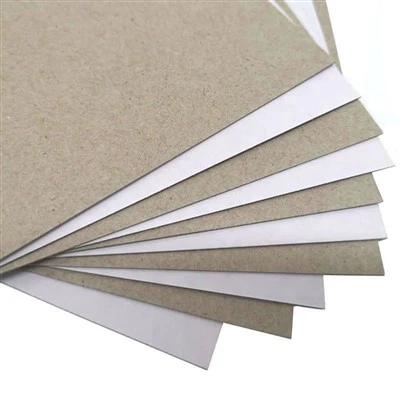
At our company, we are dedicated to delivering culture paper with superior tearing strength and other outstanding properties. Our commitment to quality and innovation has made us a trusted partner for many clients in the printing, publishing, and packaging industries.
Color Offset Paper If you are in the market for high – quality culture paper with excellent tearing strength, I invite you to contact us for a detailed discussion. We can provide samples for you to test and offer customized solutions to meet your specific needs. Let’s work together to find the perfect culture paper for your next project.
References
- ASTM International. (Year). Standard Test Method for Tear Resistance of Paper (Elmendorf Method). ASTM D1922.
- TAPPI (Technical Association of the Pulp and Paper Industry). (Year). TAPPI Test Methods Related to Paper Properties.
- Seth, R., & Page, D. H. (2010). Handbook of Pulp (2nd ed.). Wiley – VCH.
- Gullichsen, J., & Paulapuro, H. (Eds.). (2000). Paper Physics. Fapet Oy.
Dongguan Banyan Material Co., Ltd.
We are one of the most experienced culture paper manufacturers and suppliers in China, also support customized service. Please feel free to wholesale bulk eco-friendly culture paper from our factory. Quality products and reasonable price are available.
Address: NO.167, Meijing West Road, Songmushan, Dalang Town, Dongguan City, Guangdong Province, China
E-mail: Sales_chris@yspaper.com
WebSite: https://www.paperyoung.com/
