Hey there! I’m a supplier of coiled spring pins, and I often get asked this question: "Do coiled spring pins require maintenance?" Well, let’s dive right into it and find out. Coiled Spring Pins
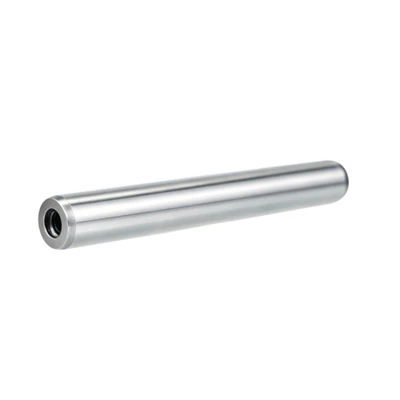
First off, let’s understand what coiled spring pins are. They’re these nifty little fasteners made from pre – hardened spring steel strip that’s coiled into a pin shape. They’re used in a ton of different applications, from automotive parts to household appliances. You name it, and there’s a good chance coiled spring pins are holding it together.
Now, the big question: maintenance. In a lot of cases, coiled spring pins are pretty low – maintenance. One of the main reasons for this is their design. The coiled structure allows them to flex and absorb shock. When you install them, they create a tight fit in the hole they’re inserted into. This means they’re less likely to loosen up over time compared to some other types of pins.
Take, for example, a typical automotive engine. Coiled spring pins are used to secure various components. The engine environment is pretty harsh, with high temperatures, vibrations, and oil and grease everywhere. But because of the way coiled spring pins are made and their ability to adapt to these conditions, they usually don’t need a whole lot of attention. The flex in the spring design helps them withstand the vibrations, and they’re often made from materials that are resistant to corrosion caused by the oil and other fluids.
But that doesn’t mean they never need any maintenance at all. In some situations, external factors can affect them. For instance, if the pin is exposed to a very abrasive environment, like in a mining machine where there’s a lot of dust and grit, the surface of the pin can wear down over time. The wear can reduce the pin’s ability to hold the components together tightly. So, in these cases, regular inspections are a good idea. You can check for signs of wear, like scratches or a reduction in the pin’s diameter. If you notice excessive wear, it’s probably time to replace the pin.
Another factor that can influence the need for maintenance is the quality of the installation. If the pin isn’t installed correctly, it might not perform as well. For example, if the hole size is too big or too small, it can put extra stress on the pin. A hole that’s too big might cause the pin to loosen, while a hole that’s too small can damage the pin during installation. So, it’s crucial to follow the manufacturer’s guidelines for installation. During the installation process, make sure to use the right tools, like a proper pin installer. This can prevent issues that might lead to premature wear or failure later on.
The type of materials used in coiled spring pins also plays a role. Most of the time, we use pre – hardened spring steel, which is tough and durable. But in some cases, customers might need pins made from other materials, like stainless steel for applications where corrosion resistance is a top priority, such as in food processing equipment. The maintenance requirements can vary depending on the material. Stainless steel pins are generally more resistant to rust and corrosion, but they can still be affected by certain chemicals. So, if your application involves exposure to chemicals, you need to be aware of how they might interact with the pin material.
Let’s talk about lubrication. In some applications, lubricating the coiled spring pins can be beneficial. For example, in high – speed machinery, a little bit of lubricant can reduce friction between the pin and the components it’s holding. This can help extend the life of the pin and also improve the performance of the overall system. However, you need to be careful with the type of lubricant you use. Some lubricants might not be compatible with the pin material or the surrounding environment. It’s always a good idea to test the lubricant in a small area first to make sure it doesn’t cause any problems.
Now, if you’re using coiled spring pins in a high – precision application, like in a medical device, the tolerance for wear and performance degradation is much lower. In these cases, you might need to have a more strict maintenance schedule. Regularly measuring the dimensions of the pin and checking its performance can help ensure the device continues to work safely and accurately.
In summary, while coiled spring pins are generally low – maintenance, there are situations where some level of maintenance is necessary. Factors like the environment they’re in, the quality of installation, the material used, and the type of application all play a role. If you’re in doubt about whether your coiled spring pins need maintenance, don’t hesitate to reach out for advice.
As a coiled spring pin supplier, I can offer a wide range of high – quality pins that are designed to meet various needs. Whether you’re looking for standard pins or custom – made ones for a unique application, we’ve got you covered. Our pins are made with the highest standards of quality, and we’re always here to provide you with support on installation, maintenance, and any other questions you might have.

If you’re in the market for coiled spring pins or want to learn more about how they can work for your specific application, I encourage you to get in touch with us. We can have a good chat about your requirements and find the best solution for you.
Dowel Pins References:
- "Fasteners Handbook", General Publishing Company
- Industry research on coiled spring pin applications and performance
Anhui Pins Metal Products Co., Ltd.
With abundant experience, we are one of the most professional coiled spring pins manufacturers and suppliers in China. Please rest assured to buy high quality coiled spring pins made in China here from our factory. For custom service and OEM&ODM service, contact us now.
Address: No. 381 Yangqiao Road, Quanjiao County, Chuzhou City, Anhui Province. Postal Code:239500
E-mail: info@chn-pins.com
WebSite: https://www.chn-pins.com/
