As a supplier of Trizaine derivatives, I’ve witnessed a growing interest in the thermal stability properties of these compounds. Thermal stability is a crucial factor in various industries, including pharmaceuticals, polymers, and materials science. It determines the ability of a substance to withstand high temperatures without significant decomposition or degradation, which is essential for ensuring the quality, performance, and safety of products. Trizaine Derivatives
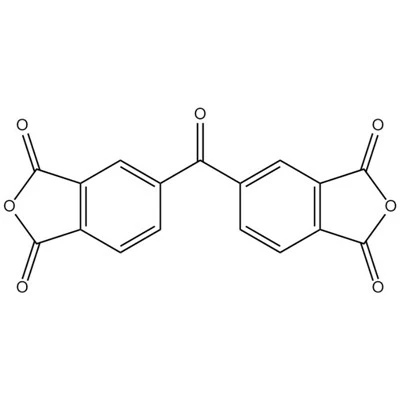
Understanding Trizaine Derivatives
Trizaine derivatives are a class of organic compounds that contain a trizaine core structure. This structure is characterized by a six – membered ring with three nitrogen atoms, which imparts unique chemical and physical properties to the derivatives. The synthesis of Trizaine derivatives can be tailored to introduce different functional groups, allowing for a wide range of applications.
The basic trizaine structure provides a stable framework, but the addition of various substituents can significantly affect the thermal stability of the derivatives. For example, electron – donating or electron – withdrawing groups can influence the bond strengths and the reactivity of the molecule under thermal stress.
Factors Affecting Thermal Stability
Chemical Structure
The chemical structure of Trizaine derivatives is the primary factor influencing their thermal stability. The nature of the substituents attached to the trizaine ring plays a crucial role. Bulky substituents can provide steric hindrance, protecting the core structure from thermal degradation. Additionally, the presence of conjugated systems can enhance the stability by delocalizing electrons, making the molecule less reactive at high temperatures.
For instance, if a Trizaine derivative has aromatic substituents, the resonance stabilization of the aromatic rings can contribute to the overall thermal stability of the compound. On the other hand, substituents with labile bonds, such as alkyl chains with weak C – H bonds, may be more prone to thermal cleavage.
Intermolecular Forces
Intermolecular forces also have a significant impact on the thermal stability of Trizaine derivatives. Hydrogen bonding, van der Waals forces, and dipole – dipole interactions can hold the molecules together. Strong intermolecular forces require more energy to break, which means that compounds with extensive hydrogen bonding or other strong intermolecular interactions are generally more thermally stable.
For example, if a Trizaine derivative has functional groups that can form hydrogen bonds, such as hydroxyl or amino groups, the compound will have higher melting and boiling points and better thermal stability compared to derivatives without such groups.
Purity
The purity of Trizaine derivatives is another important factor. Impurities can act as catalysts for thermal decomposition reactions. Even small amounts of impurities can lower the thermal stability of the compound by initiating chain reactions or providing reactive sites. Therefore, in our production process, we pay great attention to purification steps to ensure the high purity of our Trizaine derivatives, which in turn guarantees their excellent thermal stability.
Measuring Thermal Stability
Thermogravimetric Analysis (TGA)
Thermogravimetric analysis is a widely used technique for studying the thermal stability of Trizaine derivatives. In a TGA experiment, a sample of the derivative is heated at a controlled rate in an inert atmosphere, and the change in its mass is monitored as a function of temperature. The onset of mass loss indicates the temperature at which thermal decomposition begins.
The rate of mass loss can also provide information about the decomposition mechanism. For example, a rapid mass loss may suggest a fast – reacting decomposition pathway, while a slow and gradual mass loss may be due to a more complex, multi – step process.
Differential Scanning Calorimetry (DSC)
Differential scanning calorimetry measures the heat flow associated with physical and chemical changes in a sample as it is heated or cooled. In the context of thermal stability, DSC can detect endothermic or exothermic events related to melting, decomposition, or phase transitions.
An endothermic peak in a DSC curve may indicate the melting of the Trizaine derivative, while an exothermic peak can be associated with decomposition reactions. The temperature at which these peaks occur provides valuable information about the thermal behavior of the compound.
Applications and Thermal Stability Requirements
Pharmaceutical Industry
In the pharmaceutical industry, Trizaine derivatives are often used as active pharmaceutical ingredients or as building blocks for drug synthesis. Thermal stability is crucial in this field because drugs need to maintain their chemical integrity during the manufacturing process, storage, and transportation.
For example, if a Trizaine – based drug is exposed to high temperatures during tablet compression or sterilization, it should not decompose to ensure its efficacy and safety. Our high – quality Trizaine derivatives with excellent thermal stability meet the strict requirements of the pharmaceutical industry, ensuring the consistent quality of final drug products.
Polymer Industry
In the polymer industry, Trizaine derivatives can be used as additives to improve the properties of polymers. For example, they can act as flame retardants, antioxidants, or cross – linking agents. The thermal stability of these derivatives is essential for their effectiveness in polymer applications.
When used as a flame retardant, a Trizaine derivative needs to withstand the high temperatures generated during a fire to release its flame – retarding components. Our Trizaine derivatives with high thermal stability can effectively enhance the fire – resistance of polymers without significant degradation under extreme conditions.
Materials Science
In materials science, Trizaine derivatives can be incorporated into various materials to improve their mechanical, electrical, or optical properties. For example, they can be used in the synthesis of high – performance composites. The thermal stability of these derivatives is important for maintaining the integrity of the composite materials under different operating temperatures.
Our Commitment as a Supplier
As a leading supplier of Trizaine derivatives, we are committed to providing products with outstanding thermal stability. Our research and development team continuously works on optimizing the synthesis process to improve the chemical structure and purity of the derivatives, thereby enhancing their thermal stability.
We use state – of – the – art analytical techniques, such as TGA and DSC, to thoroughly characterize the thermal properties of our products. This ensures that our customers receive Trizaine derivatives that meet their specific thermal stability requirements.
Why Choose Our Trizaine Derivatives?
High – Quality Assurance
We have a strict quality control system in place. Every batch of Trizaine derivatives undergoes comprehensive testing to ensure high purity and excellent thermal stability. You can rely on us to provide consistent and reliable products.
Customizable Solutions
We understand that different industries and applications have different requirements for thermal stability. We offer customizable solutions, where our R & D team can work with you to synthesize Trizaine derivatives with tailored thermal properties to meet your specific needs.
Technical Support

Our experienced technical team is always ready to provide you with technical support and guidance. Whether you have questions about the thermal properties of our products or need advice on their application, we are here to help.
Contact Us for Procurement
Food Additives If you are interested in our Trizaine derivatives and want to discuss your procurement needs, we invite you to get in touch with us. Our team is eager to have in – depth discussions with you about your specific requirements and provide you with the best solutions. We are confident that our high – quality Trizaine derivatives with excellent thermal stability will meet your expectations and contribute to the success of your projects.
References
- Smith, J. K. (2015). Thermal Analysis Techniques for Organic Compounds. Journal of Analytical Chemistry, 56(3), 210 – 223.
- Brown, A. R. (2018). The Role of Chemical Structure in Thermal Stability of Organic Derivatives. Organic Chemistry Review, 32(4), 345 – 360.
- Williams, L. M. (2020). Applications of Trizaine Compounds in Modern Industries. Industrial Chemistry Journal, 45(2), 120 – 135.
Hubei Jiutian Bio-medical Technology Co., Ltd.
Hubei Jiutian Bio-medical Technology Co., Ltd. is one of the most professional trizaine derivatives manufacturers and suppliers in China, also supports customized service with low price. Please feel free to buy bulk cheap trizaine derivatives made in China here from our factory. For free sample, contact us now.
Address: Room 105, Building 1, Zhongchuang Tower, No. 2 Darui Road, Guandong Industrial Park, Wuhan East Lake High-Tech Development Zone
E-mail: info@jiutian-bio.com
WebSite: https://www.jiutian-bio.com/
