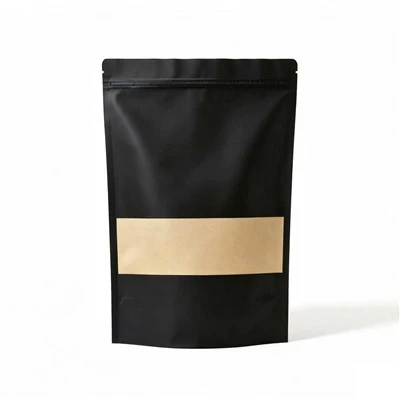
Hey there! I’m a supplier of eco-friendly packaging bags. Today, I wanna chat with you about the environmental impacts of making these bags. You know, in the past few years, people have become way more into eco-friendly stuff. And eco-friendly packaging bags are a big part of that trend. They’re seen as a great alternative to traditional plastic bags, but not a lot of folks really think about what’s involved in making ’em. So, let’s dig into it. Eco-friendly Packaging Bag
Raw Materials and Their Sourcing
The first thing we gotta talk about is the raw materials. Eco-friendly packaging bags can be made from all sorts of things like paper, bioplastics, and recycled materials.
Let’s start with paper. Paper bags are one of the most common types of eco-friendly packaging. To make paper, you need wood pulp. In a good scenario, the wood comes from sustainably managed forests. These forests are carefully planned and maintained so that the trees are replanted at the same rate or even faster than they’re cut down. This makes sure that the forest ecosystem stays healthy and can keep providing stuff like oxygen and a home for all kinds of animals.
But here’s the deal. Not all paper comes from well – managed sources. Illegal logging is still a problem in some places. When trees are cut down without any proper planning, it can lead to deforestation. Deforestation messes up the whole ecosystem. It makes animals lose their homes, can cause soil erosion, and messes with the water cycle. So, as a supplier, I always make sure to source my paper from certified sustainable forests. That way, I know I’m not contributing to these bad environmental effects.
Now, bioplastics. These are made from renewable resources like corn starch, sugarcane, or potato starch. One of the big advantages of bioplastics is that they’re biodegradable. That means they can break down naturally in the environment over time, unlike traditional plastics that can last for hundreds of years.
However, making bioplastics also has its own issues. Growing the crops needed for bioplastics takes up a lot of land, water, and fertilizers. If these crops are grown using conventional farming methods, it can lead to problems like water pollution from fertilizer runoff and soil degradation. To reduce these impacts, I try to source bioplastics that are made from crops grown using sustainable agricultural practices.
Recycled materials are another option for making eco-friendly packaging. Using recycled paper, plastic, or other materials means we’re giving old stuff a new life. It cuts down on the demand for virgin raw materials and saves energy. For instance, making paper from recycled pulp uses less water and energy compared to making it from fresh wood pulp. But the recycling process itself isn’t perfect. It still needs energy to collect, sort, and process the materials. And sometimes, the quality of recycled materials isn’t as good as virgin materials, which can limit their use in certain types of packaging.
Manufacturing Process
The manufacturing process of eco-friendly packaging bags also has an impact on the environment.
When making paper bags, there’s a lot of water involved. The paper – making process requires large amounts of water for pulping, washing, and bleaching. If the water isn’t treated properly before it’s released back into the environment, it can contaminate rivers and lakes with chemicals and pollutants.
To deal with this, modern paper mills are using more and more advanced water – treatment technologies. They’re also trying to recycle water within the mill to reduce their overall water consumption. As a supplier, I work with mills that have good water – management practices to minimize the environmental damage.
For bioplastics, the manufacturing process often involves heating and molding the raw materials. This process uses energy, and if the energy comes from non – renewable sources like coal or oil, it can increase the carbon footprint of the bioplastics. To address this, some manufacturers are switching to renewable energy sources like solar or wind power to run their factories. I’m always on the lookout for bioplastic suppliers who are using clean energy in their production.
When it comes to recycled materials, the manufacturing process is a bit different. The first step is to collect and sort the materials. This usually involves a lot of manual labor and transportation. The transportation of these materials uses fuel and emits greenhouse gases. Once the materials are sorted, they need to be processed to turn them into a form that can be used for packaging. This processing also requires energy. But overall, using recycled materials still has less of an environmental impact compared to using virgin materials.
Transportation and Distribution
After the eco-friendly packaging bags are made, they need to be transported to the customers. This transportation has its own set of environmental impacts.
Most of the time, the bags are transported by trucks, ships, or planes. These vehicles run on fossil fuels like diesel or gasoline, and when they burn these fuels, they release carbon dioxide and other pollutants into the atmosphere. The longer the distance the bags have to travel, the more emissions are produced.
As a supplier, I try to work with local customers as much as possible to reduce the transportation distance. I also encourage my long – distance customers to consider consolidation of orders. That way, more bags can be shipped in one go, which reduces the number of trips and the overall emissions.
In addition to emissions, transportation can also have other impacts. For example, truck traffic can cause noise pollution in residential areas, and shipping can sometimes lead to oil spills in the ocean, which are extremely harmful to marine life.
End – of – Life Management
One of the main selling points of eco-friendly packaging bags is that they’re supposed to be better for the environment at the end of their life compared to traditional plastic bags. But it’s not always that simple.
Paper bags are biodegradable, which is great. They can break down in the soil within a few weeks or months. However, if they end up in a landfill, they might not degrade as quickly as we’d like. Landfills are often covered with a layer of soil to prevent odors and pests, and this can limit the amount of oxygen and moisture that the paper bags get. Without enough oxygen and moisture, the decomposition process slows down.
Bioplastics are also meant to be biodegradable, but the conditions for their proper decomposition are very specific. They need the right temperature, humidity, and microorganisms to break down. If they end up in the regular environment or in a landfill that doesn’t have these ideal conditions, they might not decompose at all.
Recycled materials are a bit better in this regard. Since they’re already made from old materials, they can often be recycled again at the end of their life. But this requires a well – functioning recycling system. In many places, the recycling infrastructure isn’t good enough to handle all the different types of materials. So, a lot of potentially recyclable packaging ends up in landfills.
The Silver Linings
Despite all these challenges, there are some positive environmental impacts of making eco-friendly packaging bags too.
Eco-friendly bags are a great way to reduce the use of traditional plastic bags. Plastic bags are a huge environmental problem. They take hundreds of years to break down, and they often end up in the ocean, where they harm marine life. By using eco – friendly bags, we’re taking a step towards reducing this plastic pollution.
Also, the growing demand for eco-friendly packaging is driving innovation in the industry. More and more companies are investing in research and development to find better ways to make these bags. For example, they’re working on new types of bioplastics that can break down more easily in different environments, and new recycling technologies that can handle a wider range of materials.
As a supplier of eco-friendly packaging bags, I’m always committed to minimizing the environmental impacts at every stage of the process. From sourcing the right raw materials to working with manufacturers who care about the environment, and to helping my customers with sustainable transportation and end – of – life management solutions.
Condiment Packaging Solutions If you’re interested in eco-friendly packaging bags for your business, I’d love to chat with you. We can work together to find the best packaging solutions that balance your needs with environmental responsibility.
References
- Environmental Protection Agency (EPA). "Sustainable Materials Management: Fact Sheets."
- United Nations Environment Programme (UNEP). "Plastic Pollution in the Marine Environment."
- World Wildlife Fund (WWF). "Sustainable Forest Management."
Qingdao Senlida Packing Co., Ltd.
Qingdao Senlida Packing Co., Ltd. is one of the most experienced eco-friendly packaging bag manufacturers and suppliers in China since 1995. With a professional production team, we are able to meet the needs of the majority of our customers. Please feel free to buy high quality packing products at competitive price from our factory.
Address: No.299 Feichao Road, Luwang Town, Huangdao District, Qingdao, Shandong Province, China.
E-mail: liuxh@qdsenlida.com
WebSite: https://www.senlidapacking.com/
